Scopri · Capoterra
Nature & Parks
From the largest holm oak forest in the Mediterranean to the pink flamingos of the lagoon.
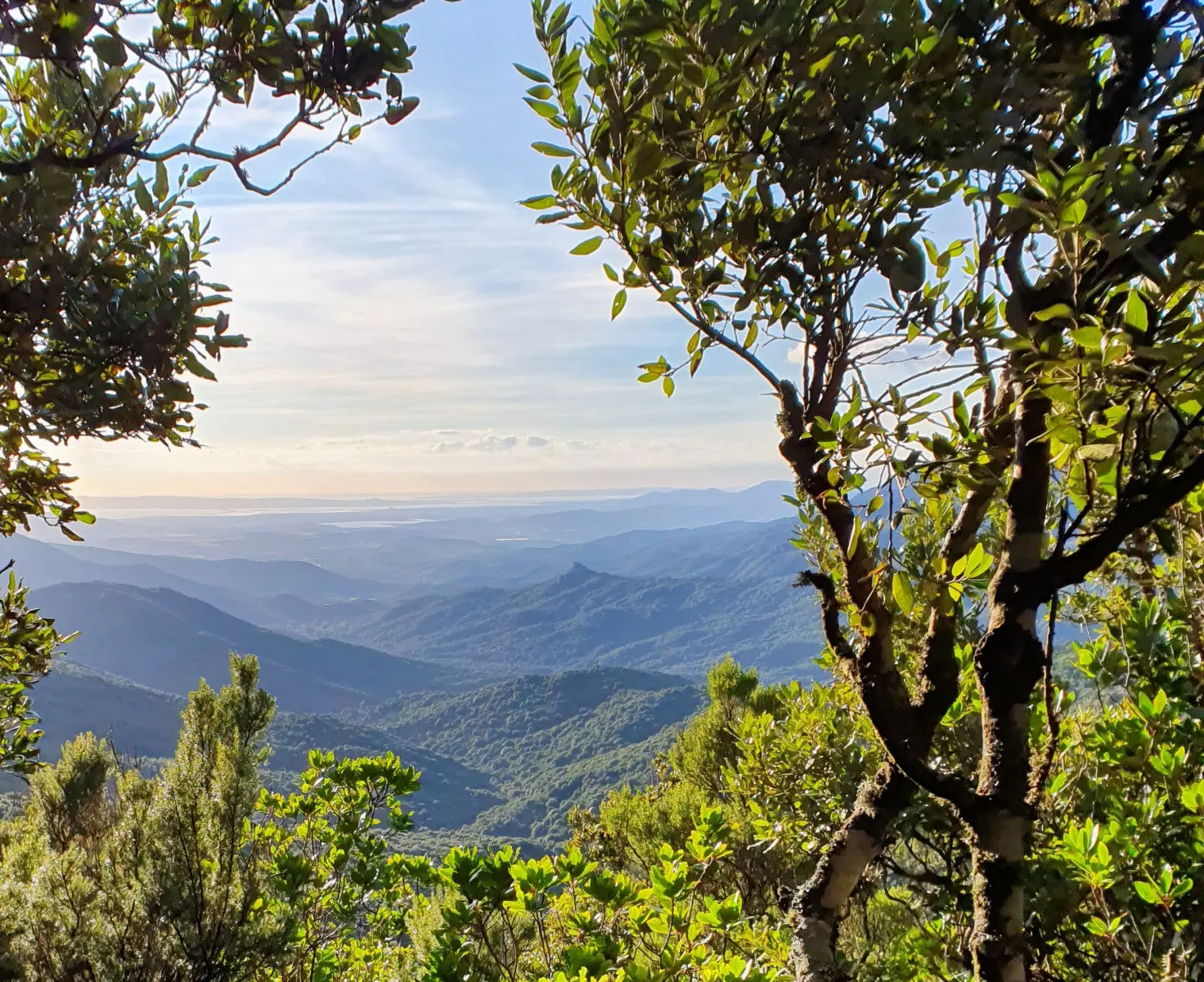
In less than ten kilometres, the territory of Capoterra goes from the coastal lagoon to the holm oak forest at almost a thousand metres in altitude. Wetlands, Mediterranean scrubland, mountain forests: different environments, all within easy reach.
Gutturu Mannu Park
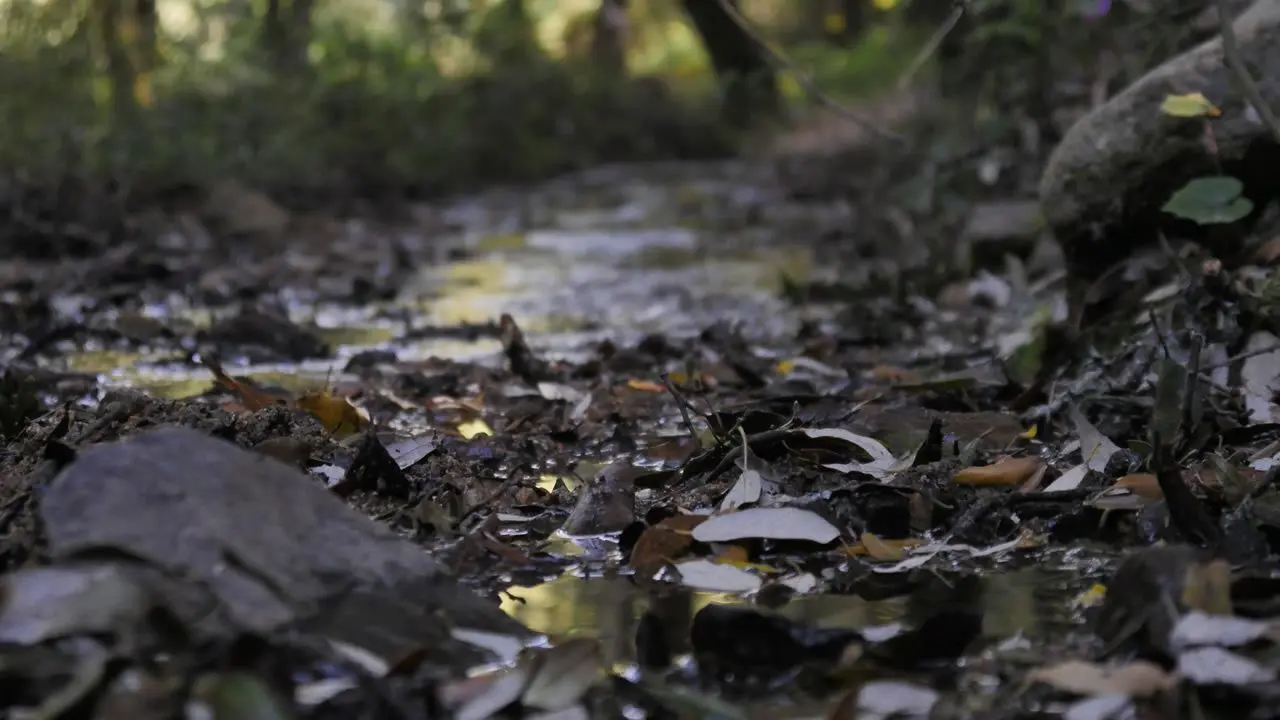
On the heights north of the town centre stretches Gutturu Mannu Park, a protected area with the largest holm oak forest in the Mediterranean: nearly 4,000 hectares of continuous woodland. The name, in Sardinian, means "big gorge" and describes the landscape well. Deep gorges carved by streams, rocky walls covered in vegetation, cold-water springs even in the height of summer.
The trails wind through century-old holm oak woods, cork oaks and tree heathers. The Mediterranean scrubland here has remained as it was before the deforestation, without felling or development. There is nothing comparable in southern Sardinia.
Santa Gilla Lagoon
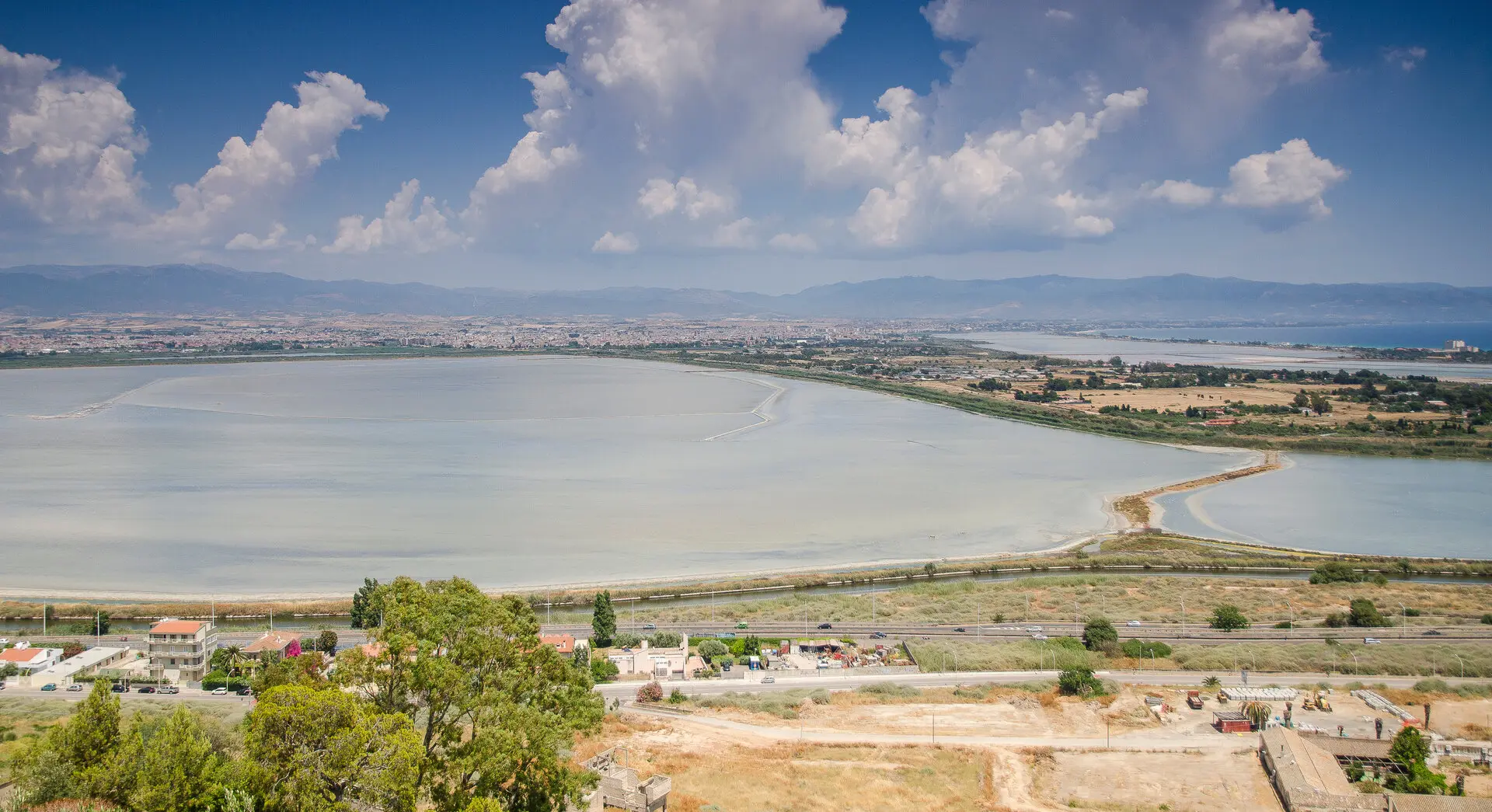
At the foot of the town opens the Santa Gilla Lagoon, a coastal lagoon of about 1,300 hectares fed by streams descending from the mountains. It is a wetland protected by the Ramsar Convention, visited by hundreds of species of migratory and resident birds.
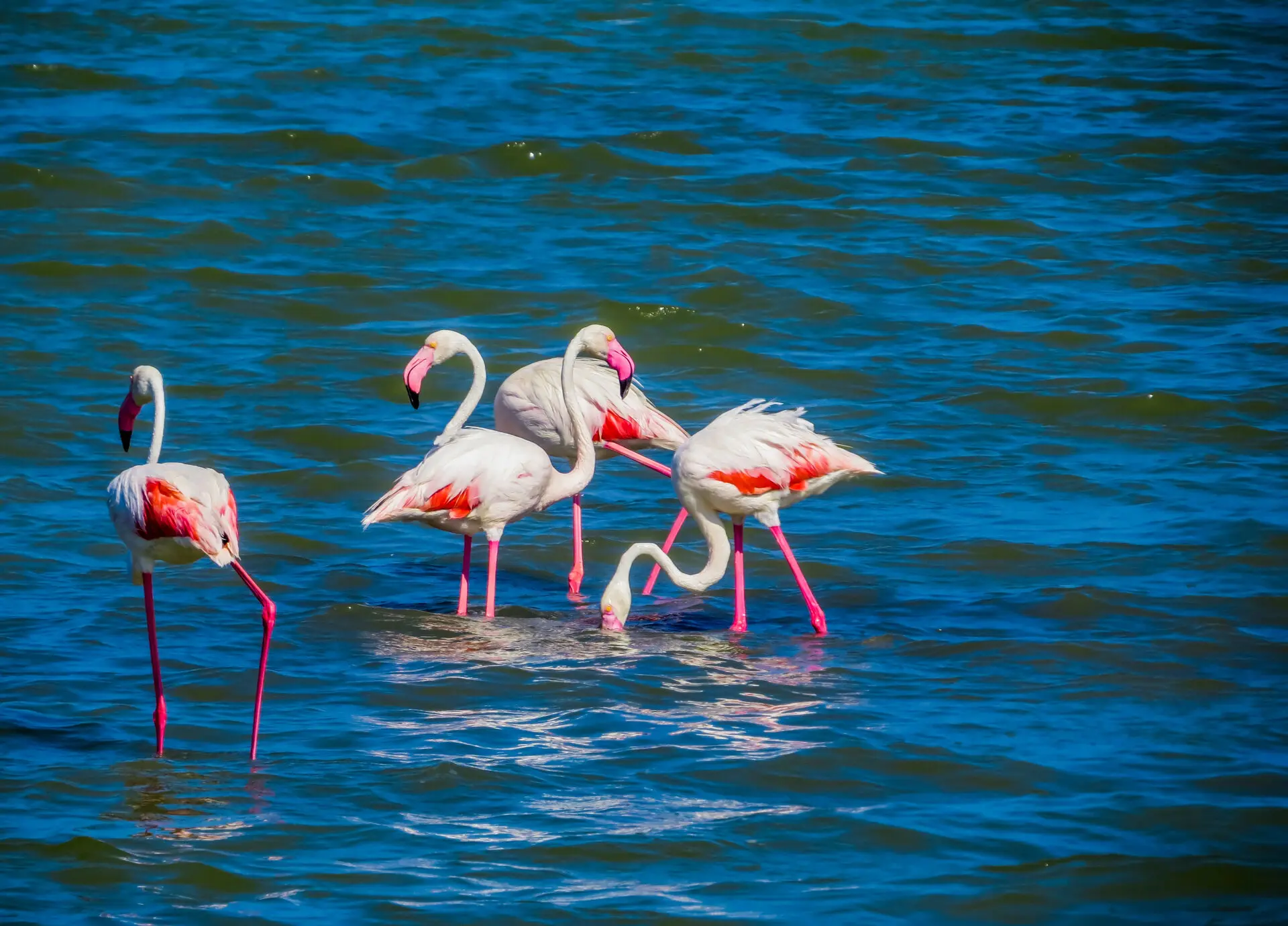
The most visible are the pink flamingos, now resident, which have over the years become the symbol of the Cagliari metropolitan area. But the lagoon also hosts grey herons, cormorants, coots and terns. In autumn, flocks of blackbirds and thrushes cross the surrounding mountains during migration.
CEAS Casa Spadaccino
The Environmental and Sustainability Education Centre organises educational programmes, guided excursions and training initiatives to explore the lagoon ecosystem. Housed in a former mining transport station converted into a farmstead.
WWF Monte Arcosu Reserve
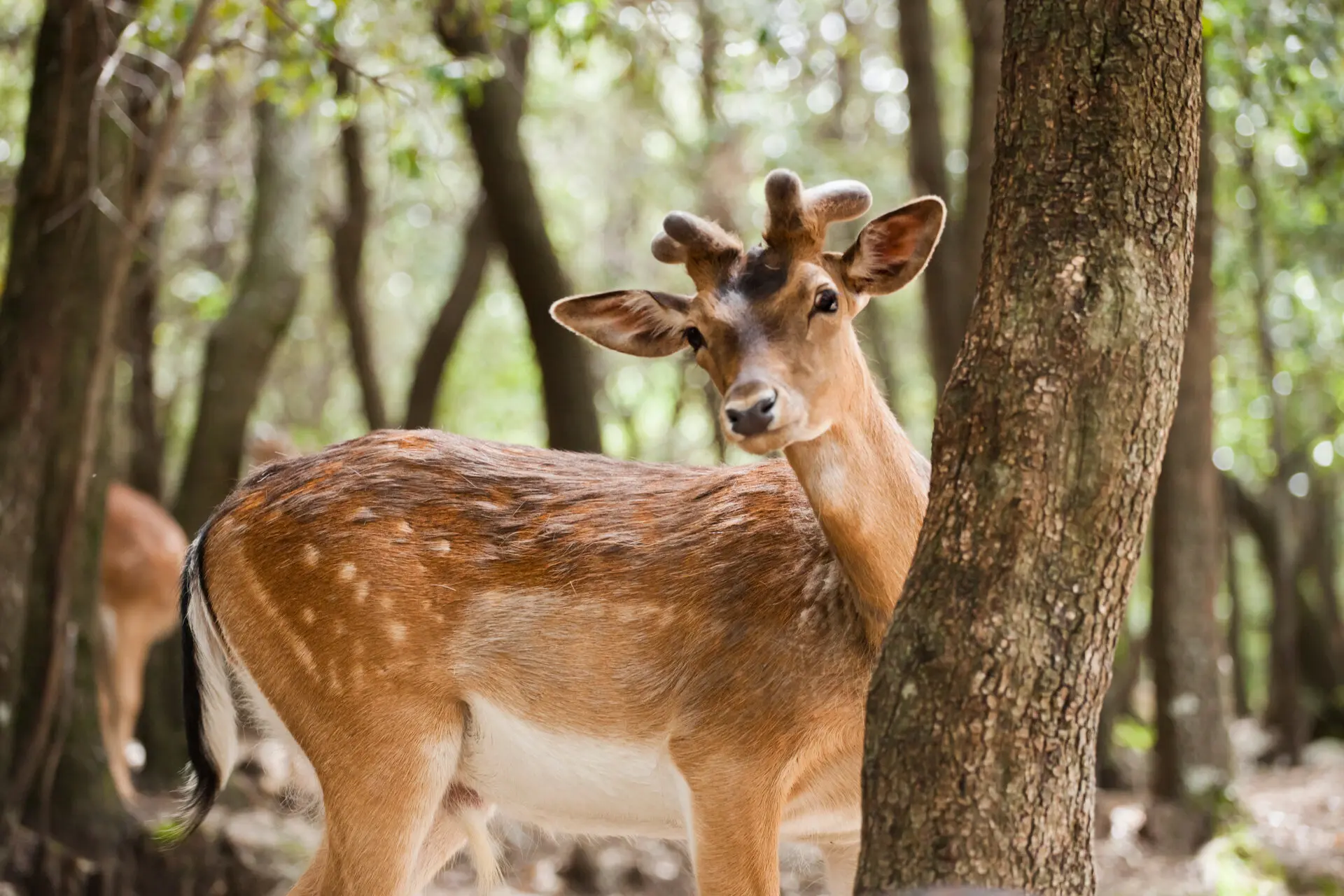
In the adjoining territory, the WWF Monte Arcosu Reserve protects the Sardinian deer (Cervus elaphus corsicanus), a subspecies endemic to Sardinia and Corsica. In the 1970s fewer than 100 specimens remained. Decades of protection have allowed the population to recover.
The reserve covers almost 4,000 hectares of forest and is home to wild boar, foxes, stone martens and wildcats. The golden eagle and the peregrine falcon nest on the rocky walls, among the few remaining sites in the western Mediterranean for these raptors.
Approfondisci: pagina dedicata a Monte Arcosu →
Flora and Fauna
Mediterranean flora
Fauna
Cerchi parchi, spiagge, campeggi e parchi giochi nel territorio di Capoterra?
Vai alla directory natura e parchi