Scopri · Capoterra
Monumenti e Luoghi
Chiese romaniche, ville Liberty e torri costiere: il patrimonio di Capoterra.
From the Romanesque-Pisan architecture of the thirteenth century to the Art Nouveau style of the late nineteenth, Capoterra preserves an architectural heritage that tells the story of the different eras and influences that have shaped the territory.
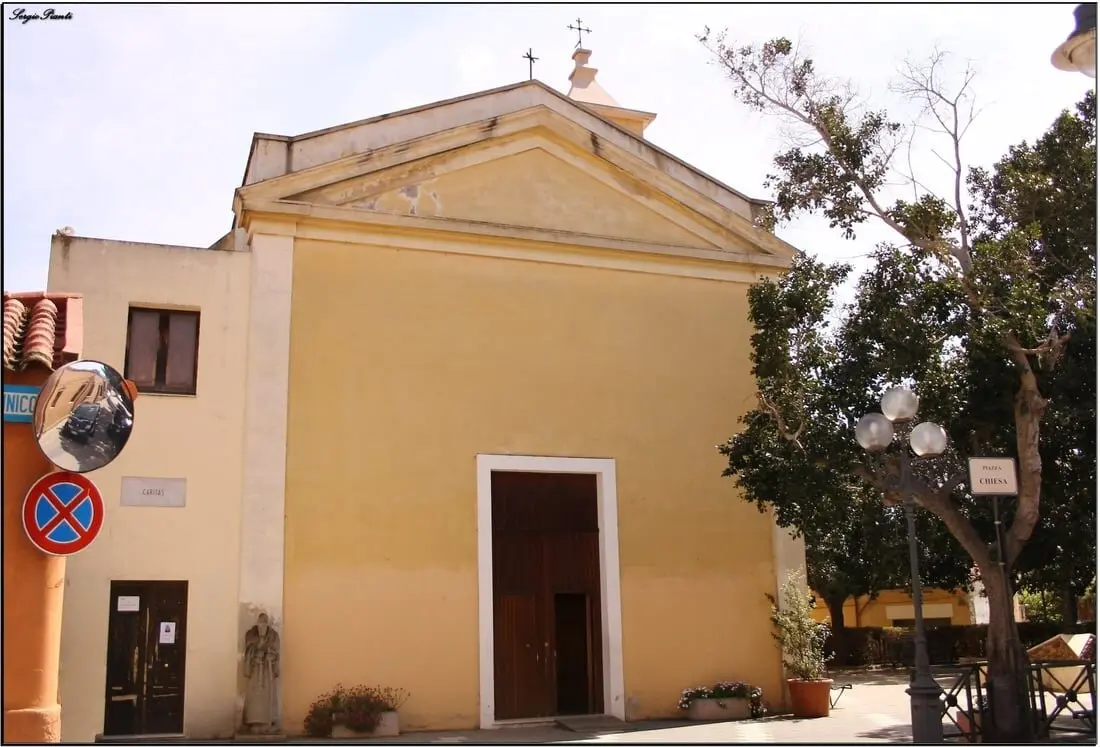
Parish Church of Sant'Efisio
The principal building of the historic centre, dedicated to the patron saint of Capoterra. Built in the mid-nineteenth century, it stands at the heart of the village and is the focal point of the community's religious life.
Approfondisci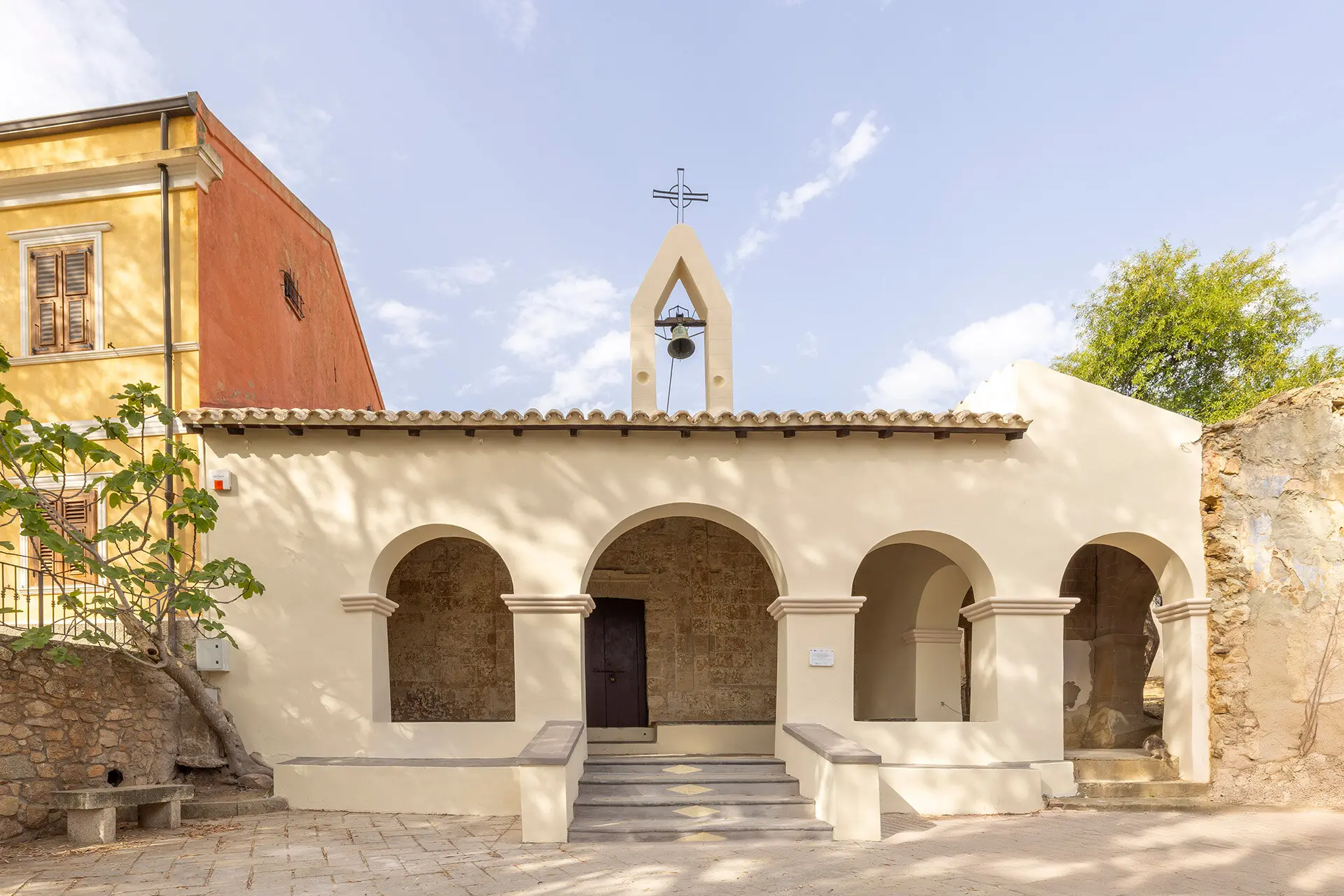
Church of Santa Barbara de Montes
An architectural gem on the heights, built in the Romanesque-Pisan style. According to legend, the Saint was beheaded here. Where her head fell, the miraculous spring of Sa Scabizzada gushed forth, still a place of pilgrimage today.
Approfondisci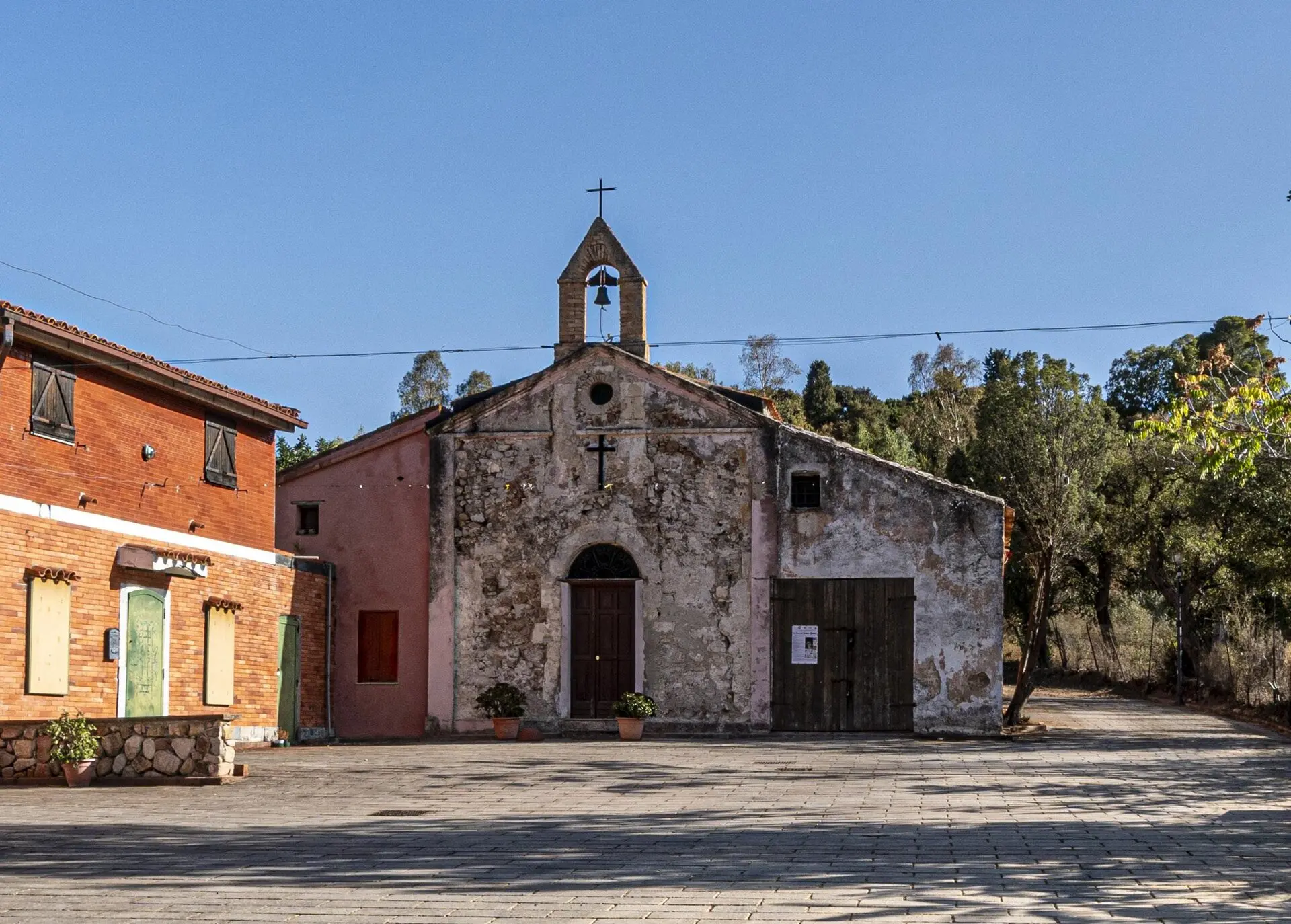
Church of San Girolamo
Built by the Hieronymite friars in the early seventeenth century. A testament to the presence of religious orders in the territory during the period of refoundation.
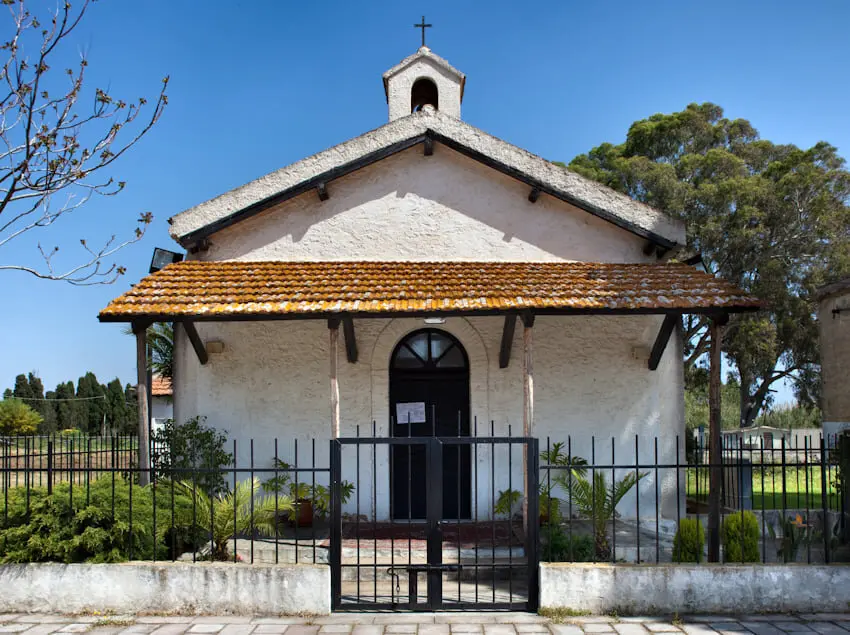
Wayside Church of Su Loi
A historic stopping point on the procession of Sant'Efisio on 1 May, when the procession from Cagliari to Nora halts here for a blessing. A place of great spiritual significance for the community.
Approfondisci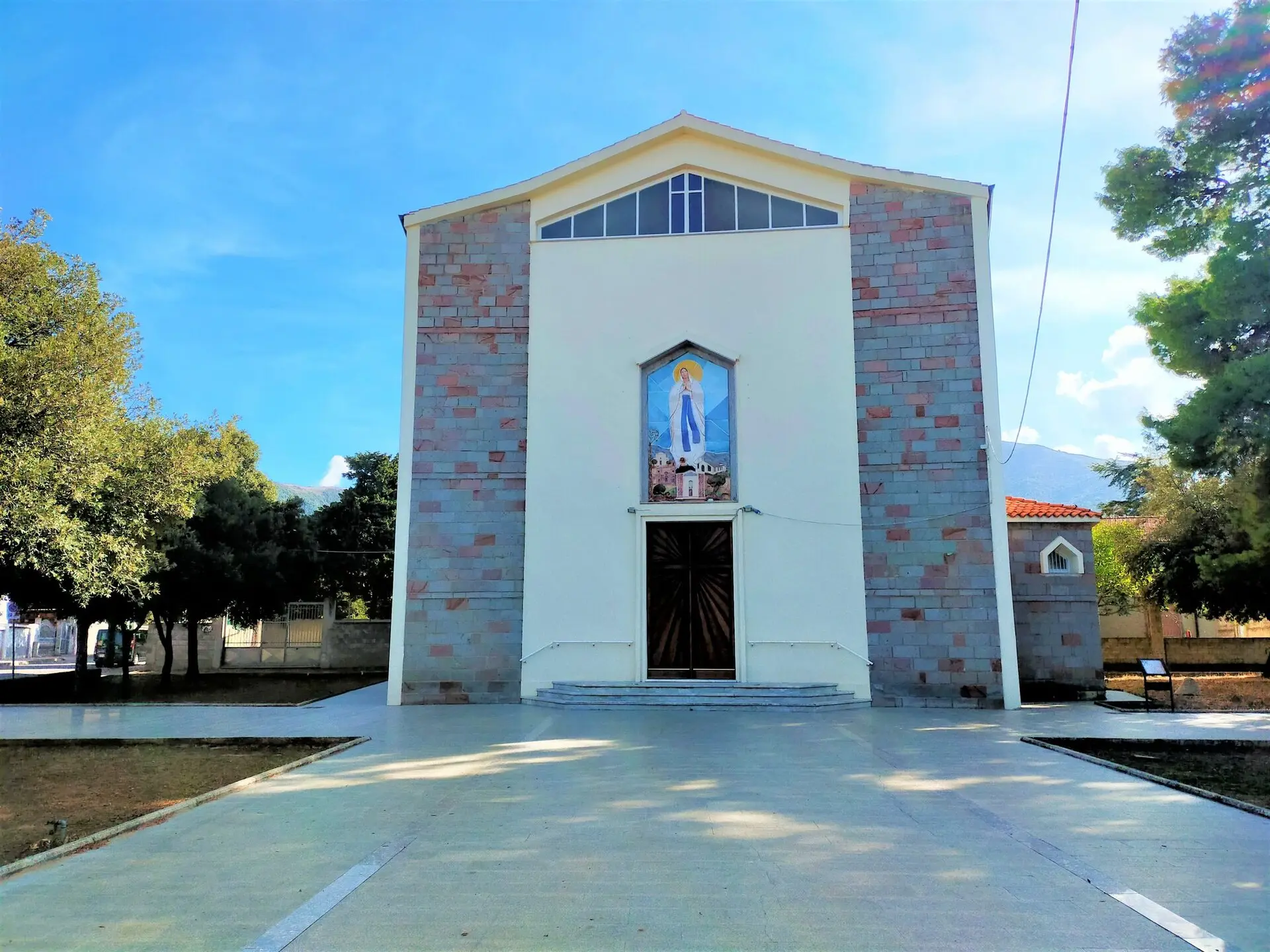
Church of Madonna di Lourdes
The parish was established in 1985; the church was designed by engineer Giorgio Diaz and consecrated in 1997. The design blends contemporary functionality with a millennia-old architectural tradition.
Via S. Bernadette Soubirous, 3 — Poggio dei Pini
Approfondisci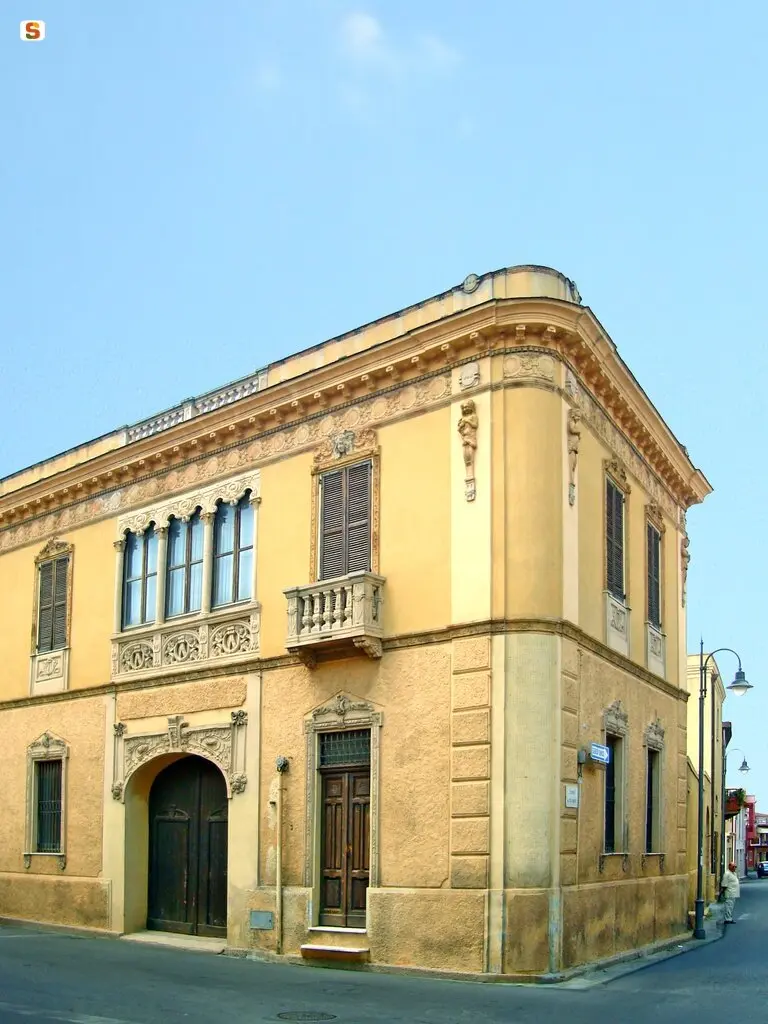
Casa Melis
A Liberty-style villa donated by Elio Melis to the municipality, rich in decorative friezes and painted ceilings. After restoration it hosts cultural events, conferences, exhibitions and debates. One of the most notable civic buildings in Capoterra.
Via Cagliari, 170
Approfondisci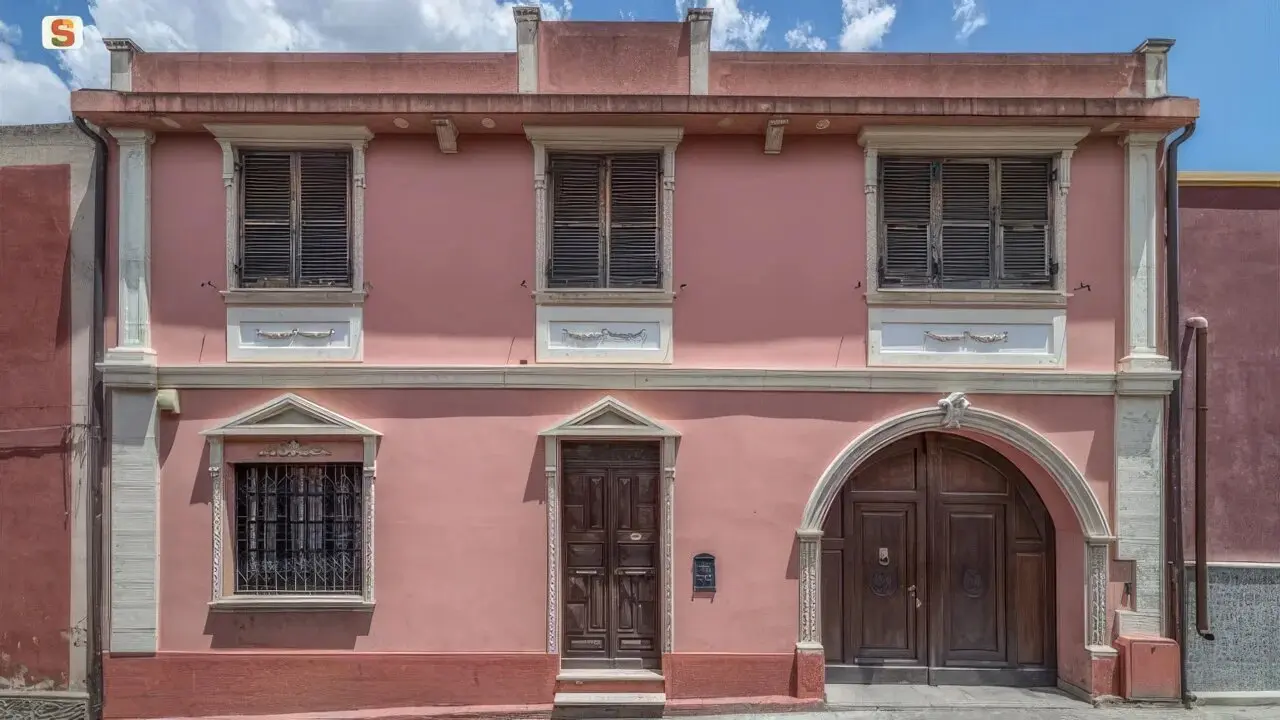
Sa Domu de is Pianus
A historic house from 1660, built in the same year as the refoundation of Capoterra. Walls in ladiri (clay bricks) and sa tapiera (a technique using wooden formwork, clay, straw and stones). Known as "su primu susu de sa bidda" (the first upper floor of the village). It preserves original farm tools, an ancient mill, a fava-bean press and a well. Legend has it that it conceals a hidden treasure, su iscussorgiu.
Via Indipendenza, 32
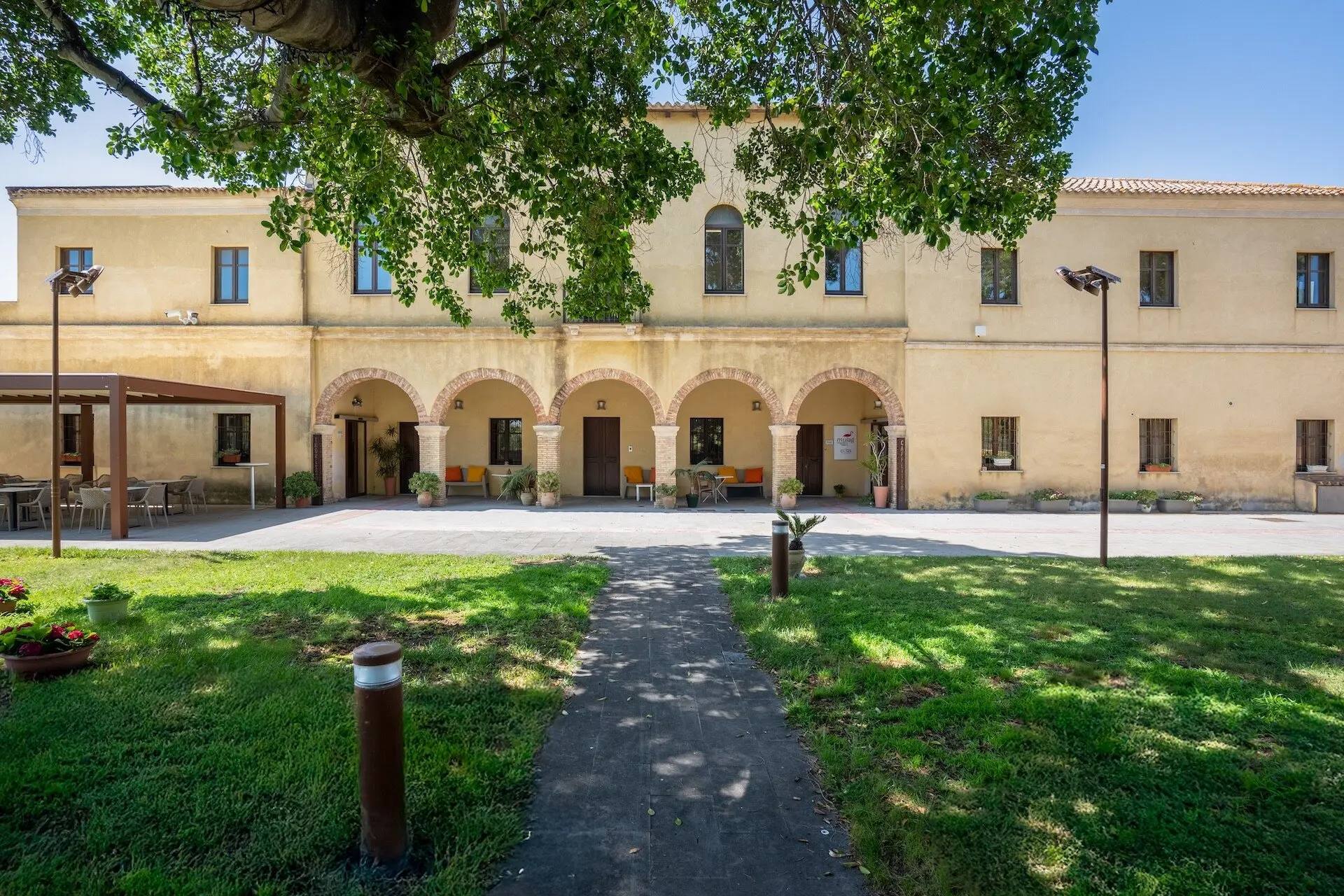
Casa Spadaccino — CEAS
Once a mineral transport station, then a farmhouse, today the headquarters of the Environmental and Sustainability Education Centre. It organises educational programmes and excursions focused on the biodiversity of the Santa Gilla lagoon.
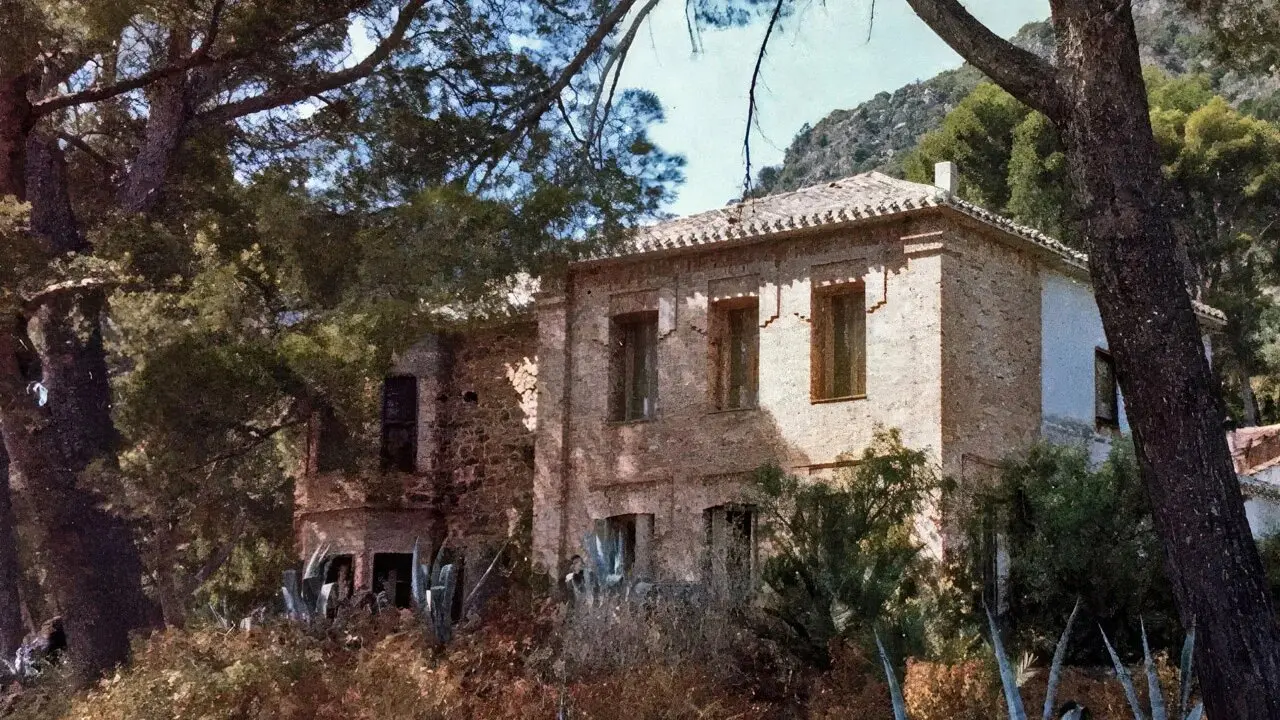
Villa Gouin
The estate of French mining engineer Gouin, furnished in French style with antiques and a large library containing original sketches by Lamarmora. In the garden stands the oldest eucalyptus tree in Sardinia, planted on 12 March 1865.
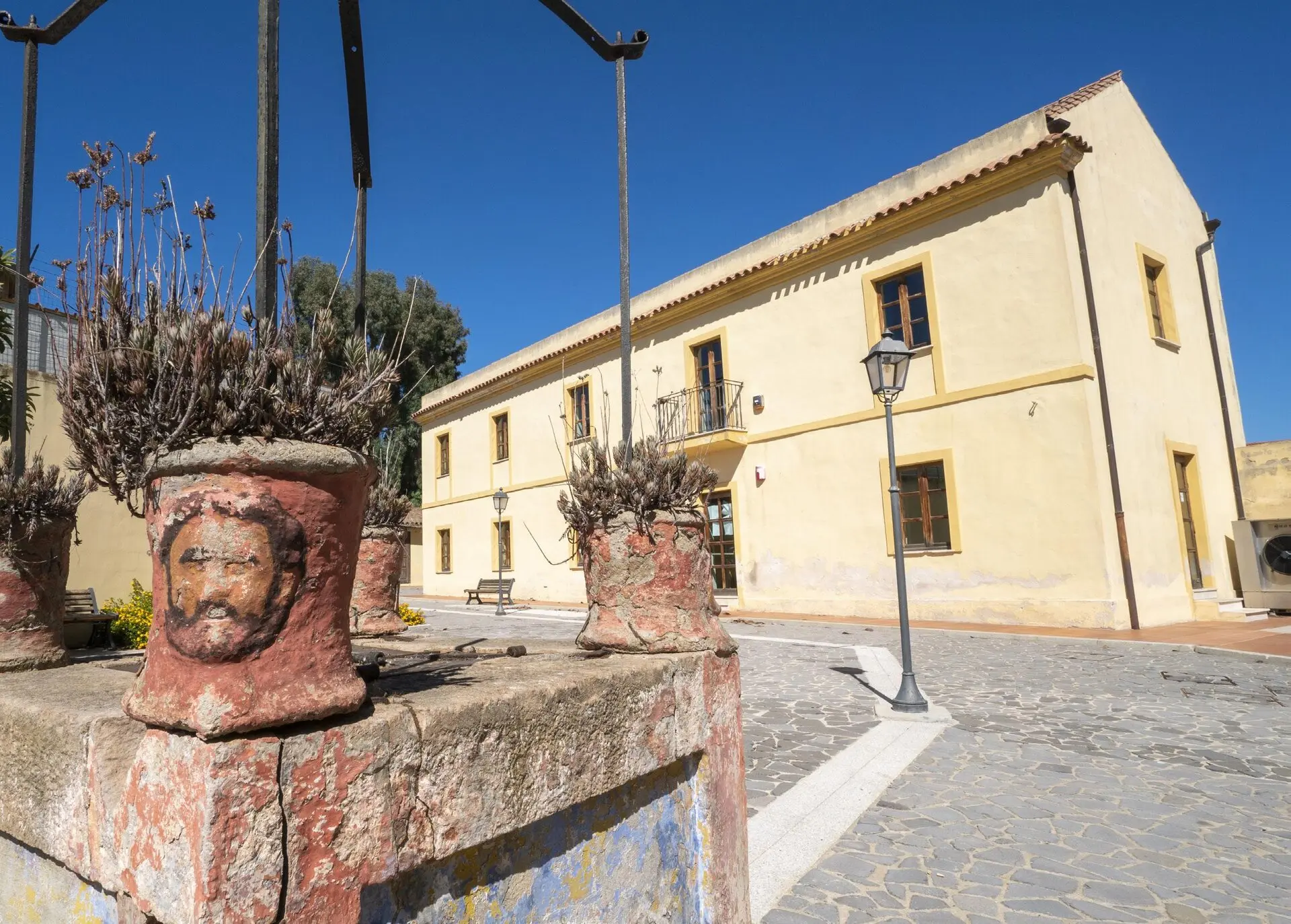
"Sergio Atzeni" Library
A multimedia library housed in a former Carabinieri barracks from the 1930s. Two separate buildings set in a large walled courtyard. Acquired by the Municipality in 2004 and converted, it is named after the Sardinian writer Sergio Atzeni. It also offers guided tours in Italian Sign Language (LIS).
Vico II del Popolo, 2
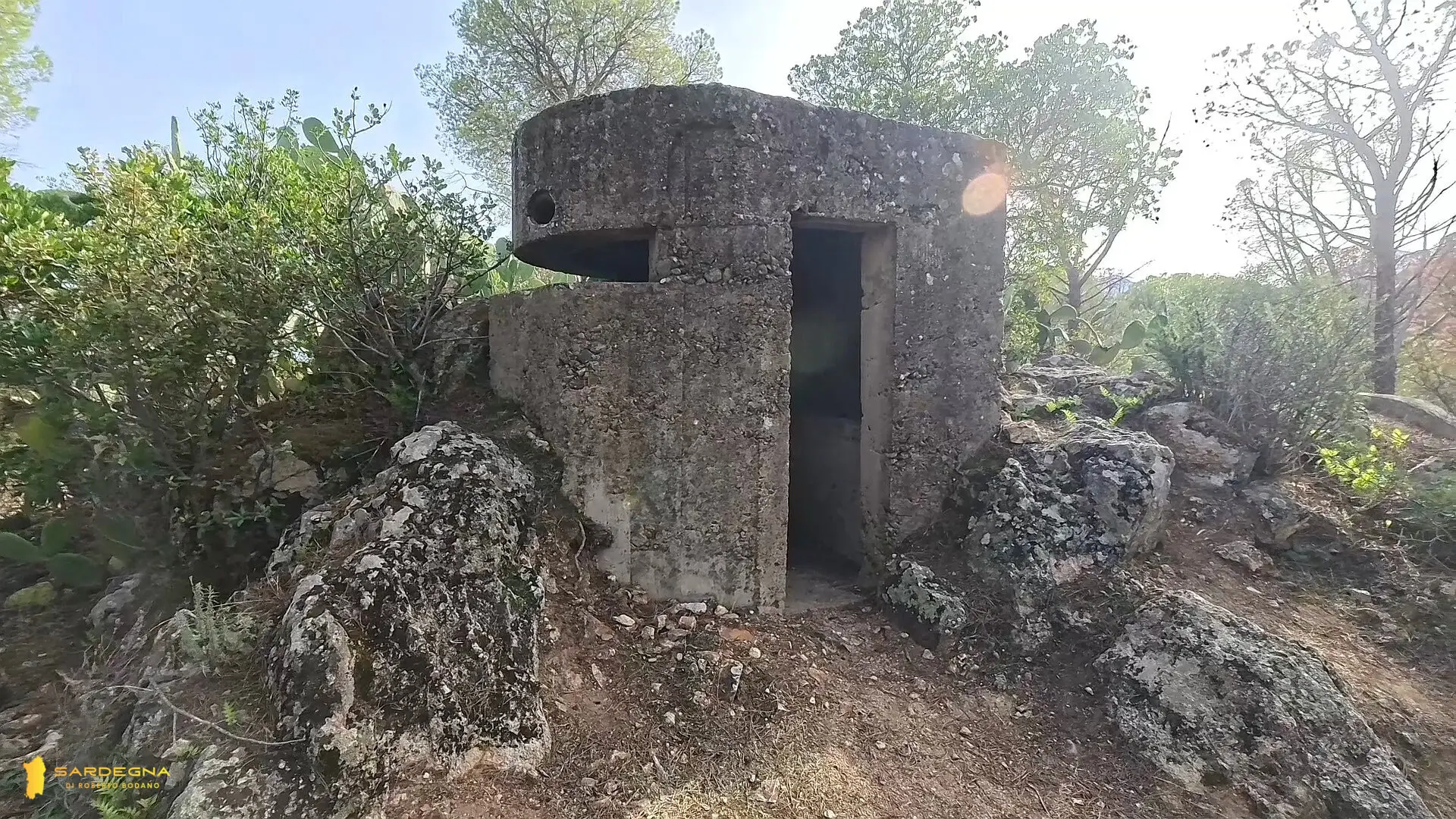
Pauliara Bunkers
A World War II defensive system protecting Cagliari. Seven groups of concrete fortifications with around 30 bunkers, two artillery batteries, trenches, shelters and minefields. They extend from the Maddalena beach to Monte Pauliara. The fifth stronghold, at Poggio dei Pini, had the codename "Messina".
Monte Pauliara — Poggio dei Pini
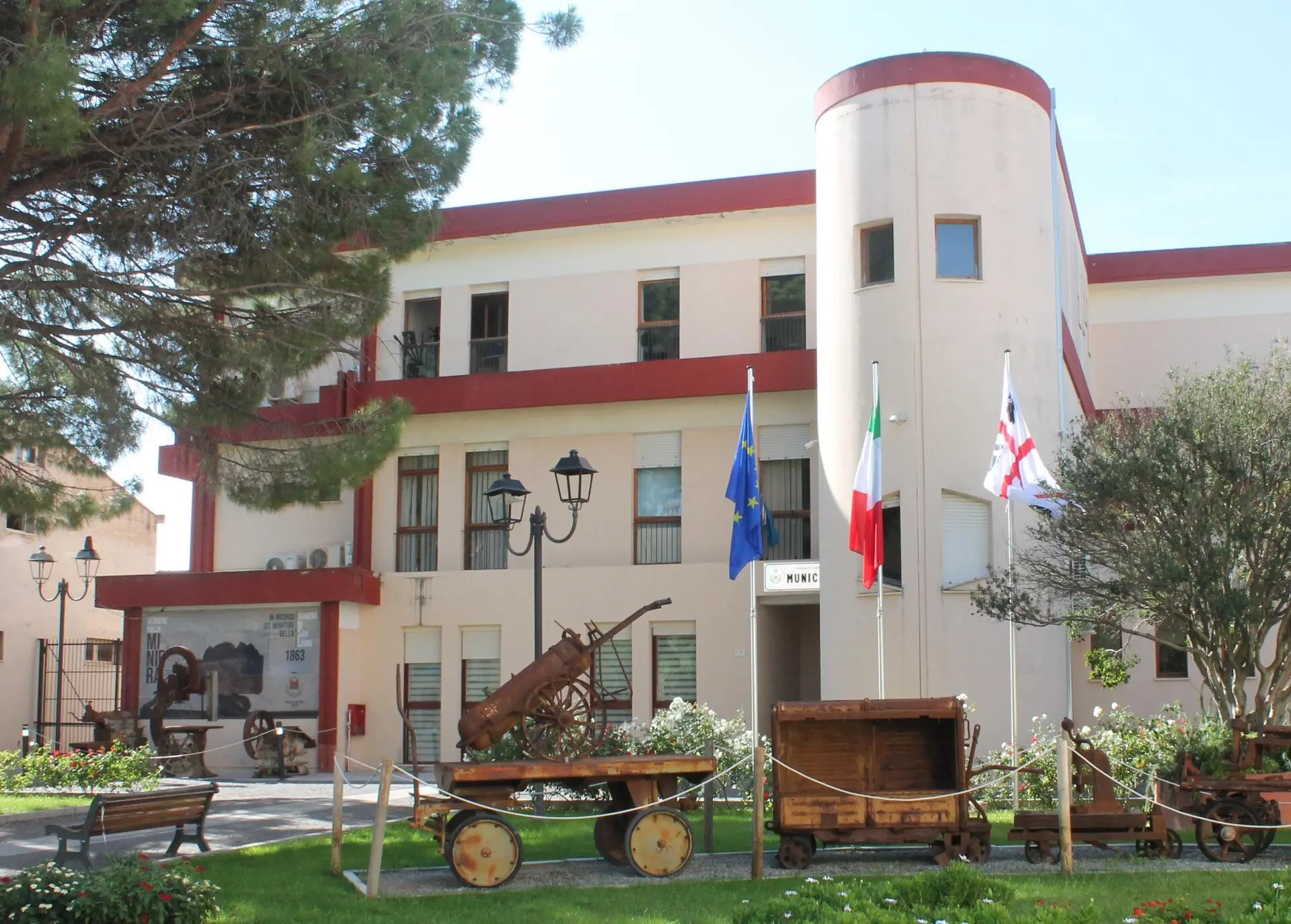
Piazza Municipio — Mining Artefacts
The central square hosts a collection of artefacts from Capoterra's mining era: machinery, carts and tools that bear witness to the importance of the San Leone mines and the transport of ore in the nineteenth century.
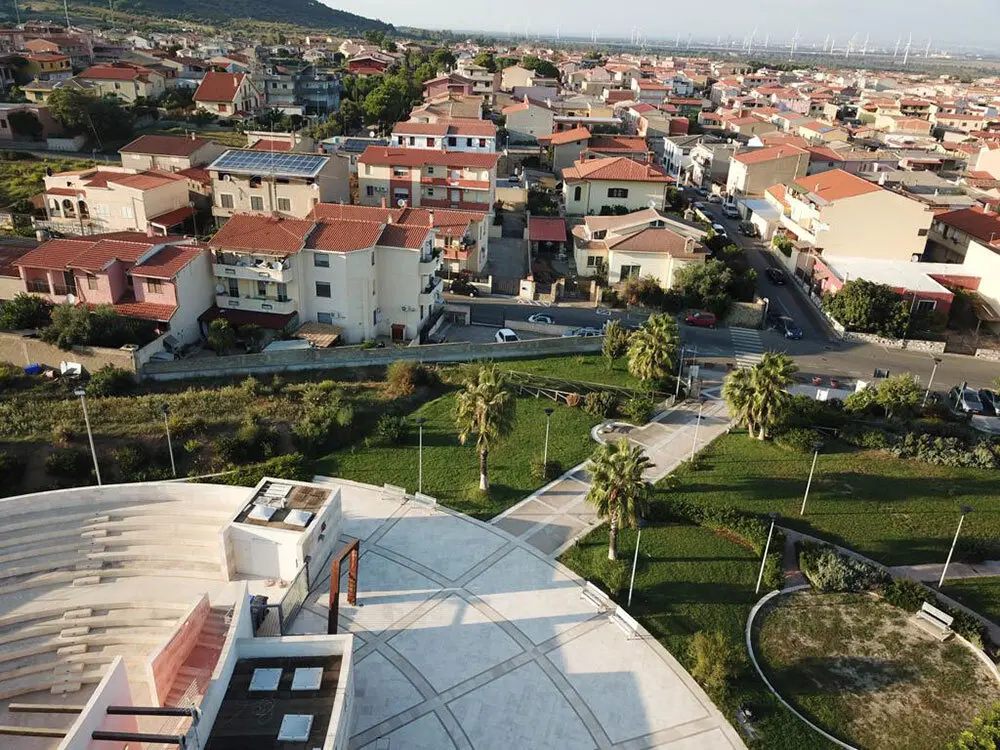
Urban Park
A green area in the heart of the village, a meeting point for the community and a venue for outdoor events. Takes part in the Monumenti Aperti programme.
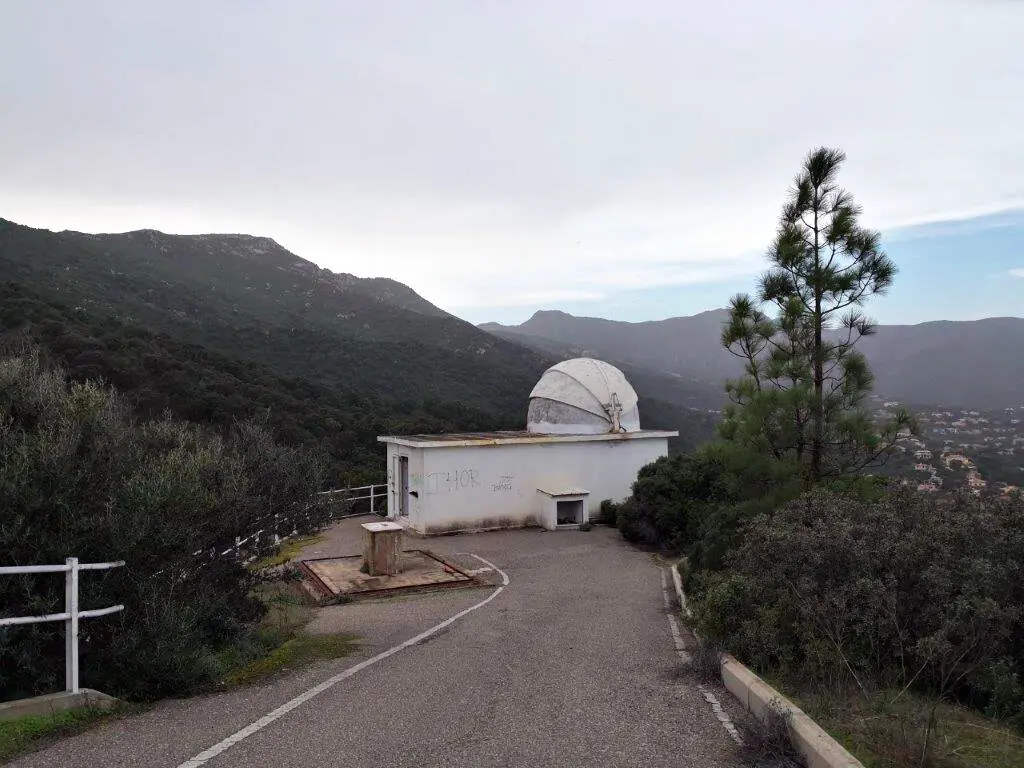
Astronomical Observatory
Located in the hilly area of Poggio dei Pini, it offers a privileged position for observing the sky thanks to the low light pollution of the surrounding area.
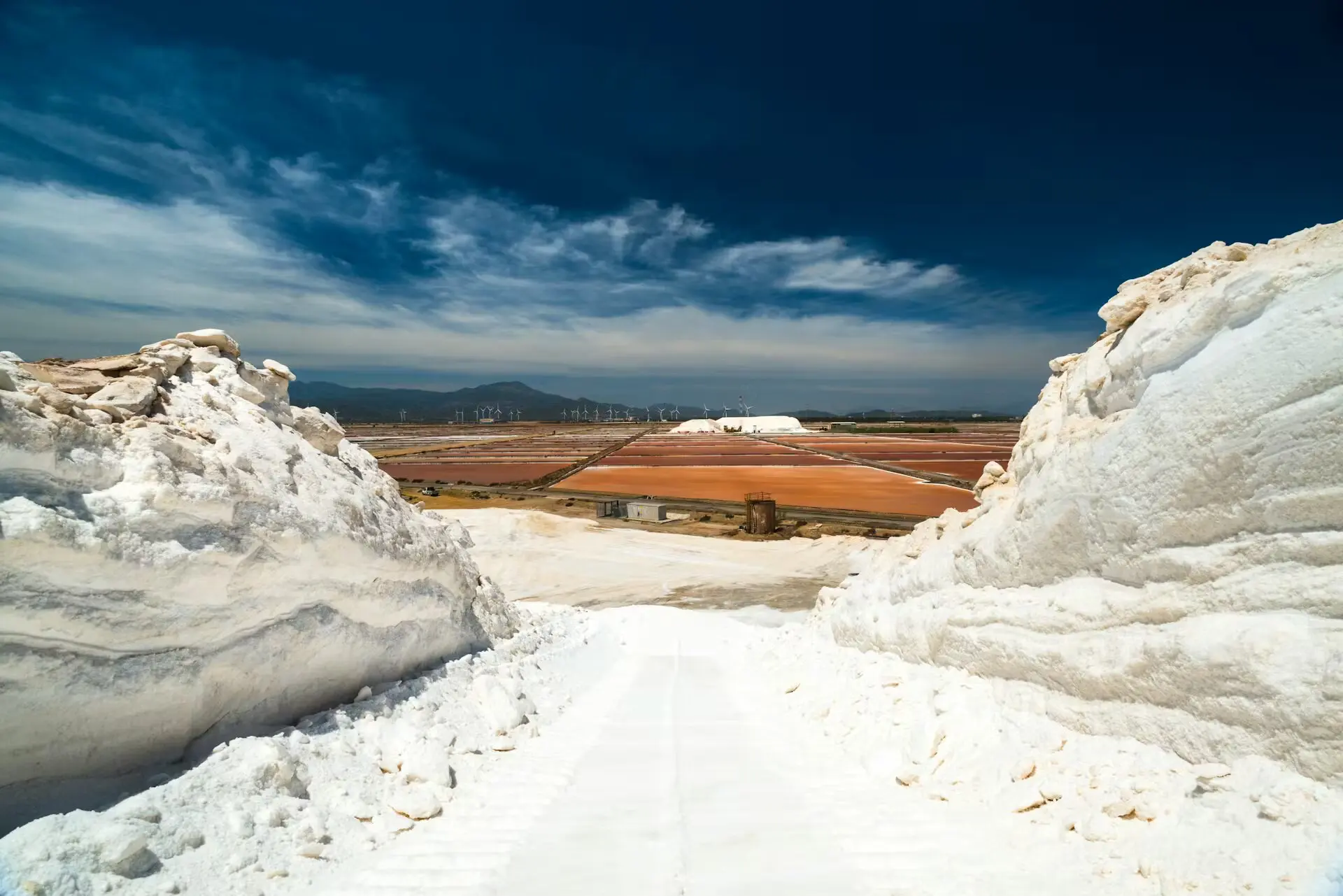
Saline Conti Vecchi (FAI)
The oldest salt pans in Sardinia, managed by the FAI (Italian National Trust). Visitable with a guided tour by small train through the evaporation pools and salt mountains, with flamingos visible in their natural habitat.