Scopri · Capoterra
Tradizioni e Cultura
Le feste patronali, il folklore e la cucina del Campidano.
In Capoterra the calendar is still shaped by religious feast days. The oldest of them date back to the refoundation of 1655, when each group of settlers brought along the cult of their own patron saint.
Calendario delle feste
January
15
Sant'Efisio
Feast day of Capoterra's patron saint. Religious celebrations and a procession through the historic centre. In the eighteenth century this feast was one of over 20 annual celebrations that drew visitors from across Sardinia.
Scopri i monumenti →January
17
Sant'Antonio Abate
A feast established around 1720 thanks to the bequest of Fulgenzio Piano. One of the oldest traditions in modern Capoterra.
May
1
Procession of Sant'Efisio
The procession from Cagliari to Nora stops at the Su Loi church for a blessing. One of the oldest religious processions in the Mediterranean, documented since the seventeenth century.
Scopri i monumenti →June
24
San Giovanni Battista
Historically one of the most important feast days in Capoterra. In the eighteenth century it attracted guests from various regions of Sardinia, who brought the relics of their own saints.
July
1a sett.
Feast of Santa Barbara
A rural celebration with a procession to the Romanesque church on the heights, built in 1281. Santa Barbara is co-patron of Capoterra: her relics were rediscovered on 23 June 1621 and she is venerated as the Virgin Martyr of Cagliari.
Autumn
Monumenti Aperti
Capoterra takes part in the regional event with the extraordinary opening of churches, historic houses and archaeological sites. Free guided tours.
Scopri i monumenti →Folklore
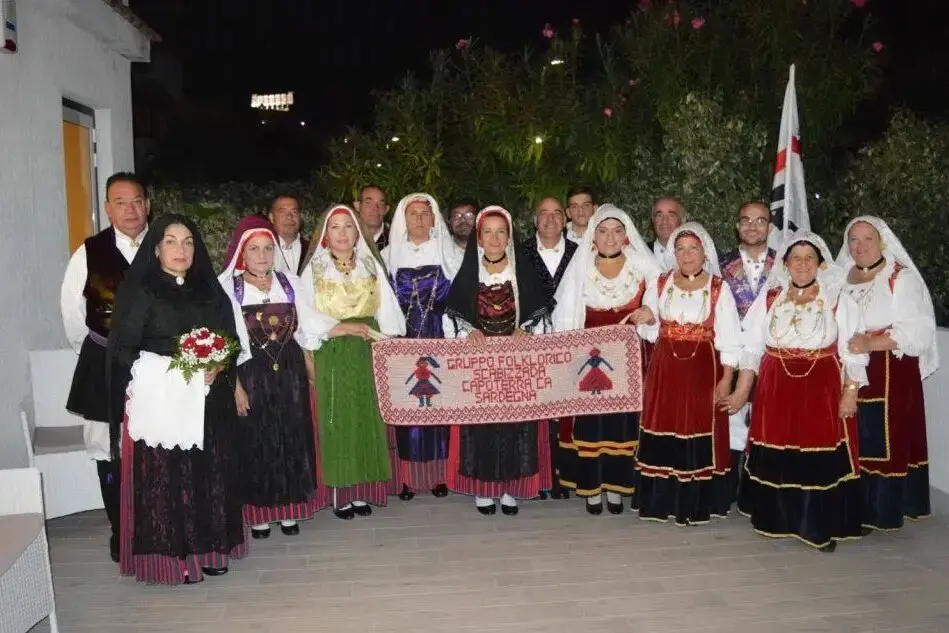
The folk groups S'Attobiu and Sa Scabitzada perform traditional dances in Sardinian costume and polyphonic choral music during the patron saint festivities and cultural evenings.
The name "Sa Scabitzada" (the beheaded) recalls the legend of Santa Barbara: where the Saint's head fell, a spring is said to have gushed forth, which still exists today on the heights of Capoterra. The spring is known as Sa Scabizzada.
Solidarietà e associazioni
In the 1940s and 1950s the Donne di Carità (Women of Charity), a group of 50 volunteers, provided home care for over 40 needy families, the elderly and the sick. Alongside them operated the religious associations of Sant'Anna, Santa Barbara, Santa Lucia, Piazza del Carmine, Sant'Antonio and San Luigi. In the eighteenth century this associative fabric supported over 20 religious feasts a year, funded by the bequests of the faithful.
Capoterra's festive calendar differs from that of neighbouring villages. The settlers who arrived in 1655 from various regions of Sardinia each brought the cult of their own saint, resulting in a blend of devotions found nowhere else.
Gastronomia
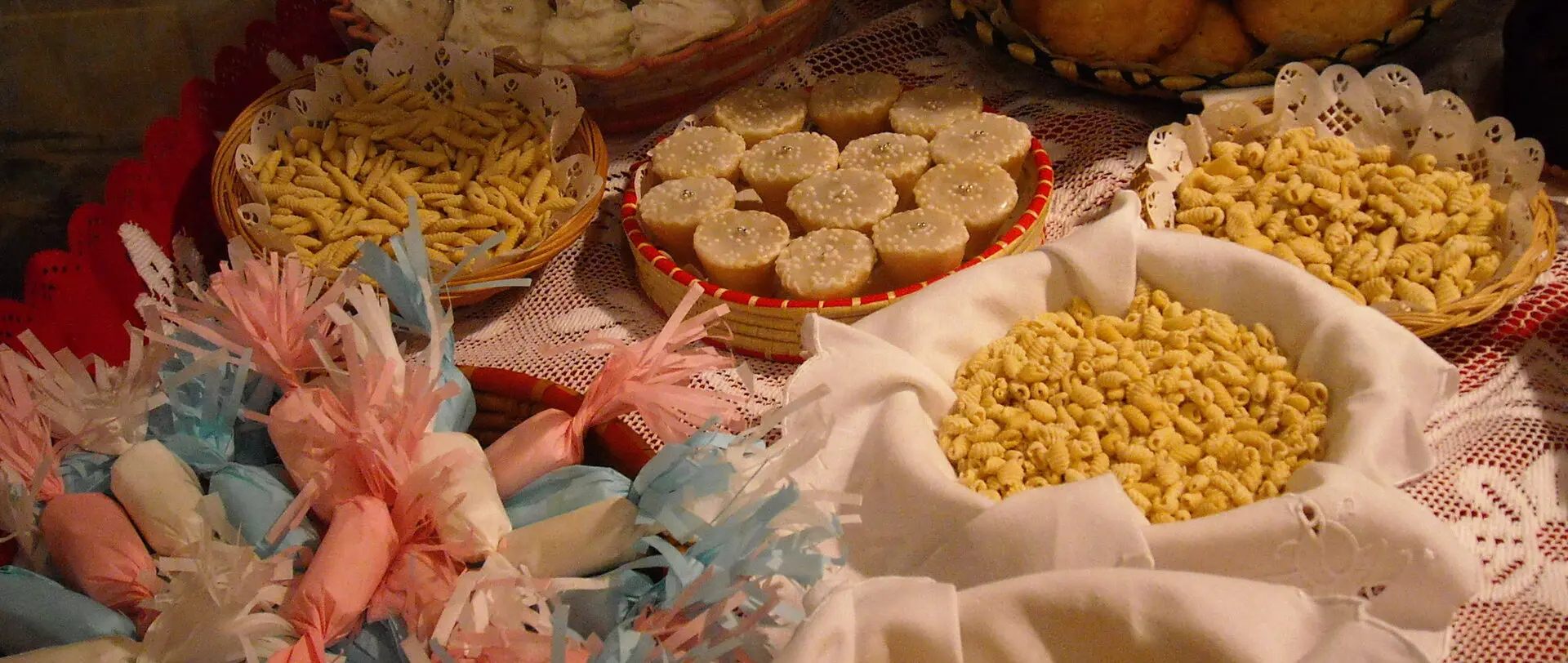
The cuisine is that of the Campidano, enriched with fresh fish from the lagoon and produce from the local farms.
Porceddu al mirto
Roast suckling pig slow-cooked over aromatic wood embers and perfumed with myrtle leaves.
Pane Carasau
The traditional Sardinian flatbread, paper-thin and crispy. Panificio Pireddu makes it with natural leavening.
Organic wines
Cantine Antigori produces wines that benefit from the unique microclimate between sea and mountain.
Honey and preserves
Azienda Agricola Planu e Mesu grows organic fruit and produces artisan jams, oil-preserved vegetables and conserves.
Myrtle liqueur
A traditional distillate made from wild myrtle berries gathered in the Mediterranean scrub.
Traditional pastries
Pardulas, amaretti and seadas: Sardinian confectionery made with fresh ricotta, almonds and honey.